One Year On at Kua Mākona i Whakamaru
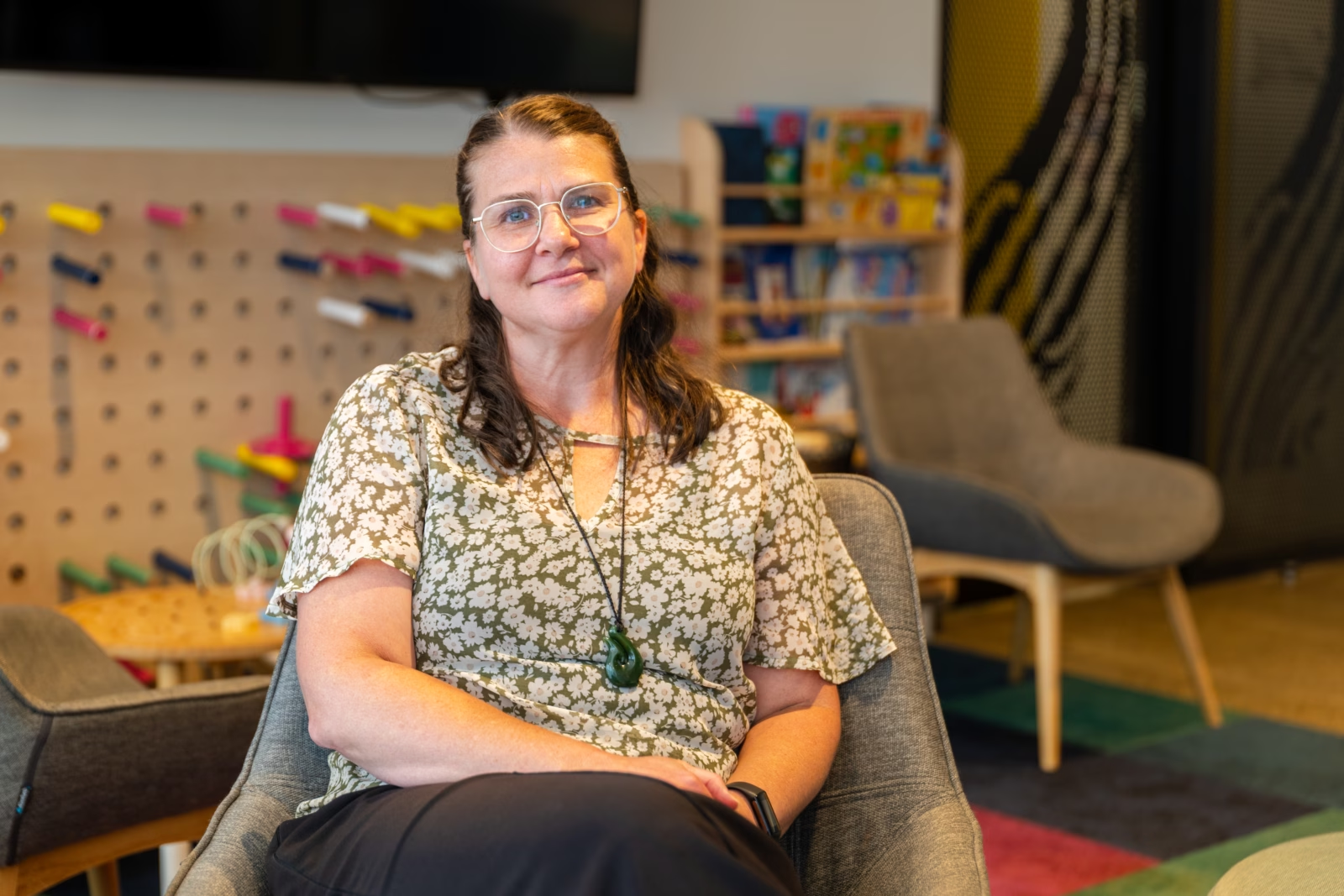
Pip, our Director of Community Services, shares an update on our crisis recovery café.
“Kua Mākona i Whakamaru, our Crisis Recovery Café, is designed for people who are experiencing any level of distress, and who need somewhere to go to get support. That could be due to a sudden change in their situation like acute homelessness or family violence, or longer-term mental health issues.
“Before our service existed, people struggling with their mental health were very limited in their options. They could call a helpline, book an appointment with their GP, or go to ED, but with these options you have to wait to be seen. People in distress need an immediate response, ideally from someone who understands what it’s like to go through similar experiences.
“The reality is that you can wait weeks to be seen by a GP, and a 15-minute appointment is not usually enough time to fully unpack what’s going on and make a good plan. And in ED, you won’t be seen unless there’s some significant risk involved. This unintentionally teaches people they can’t receive support until their distress is higher, so they won’t be helped until they’re worse off.
“At Kua Mākona i Whakamaru, our Peer Support Workers are always available, so anyone can come day or night to connect with someone. We can respond in whatever way each person needs. If someone is a bit whakamā about sharing, they can join group activities like art and music, to connect with others and build trust in the people and space. Whakamaru is the perfect place for this, because we’ve found that people are better able to address whatever’s going on once their basic needs have been met, like having a meal, a shower and clean clothes, and we can provide that here. It also feels more like an open community space – they are coming in to receive help just like lots of others are, which helps destigmatise this type of support.
“Research also tells us that mental health distress escalates when people are isolated. We want a sense of community and belonging, which comes from having as much time as you need with someone who will listen, help reduce your distress, and then make a plan. Kua Mākona i Whakamaru is peer-led, so everybody has some lived experience. They support our manuhiri from a place of having walked that journey, and are an example of hope that things can get better.
“We’ve also noticed that many who have come in crisis and received support are now coming back as a means to maintain their wellbeing. They’ll join us in the evening after Craig & Gail’s closes, when it’s a little quieter, and they’ve finished their work or study for the day. We are also implementing formalised workshops to help people feel more confident about moving into independence.
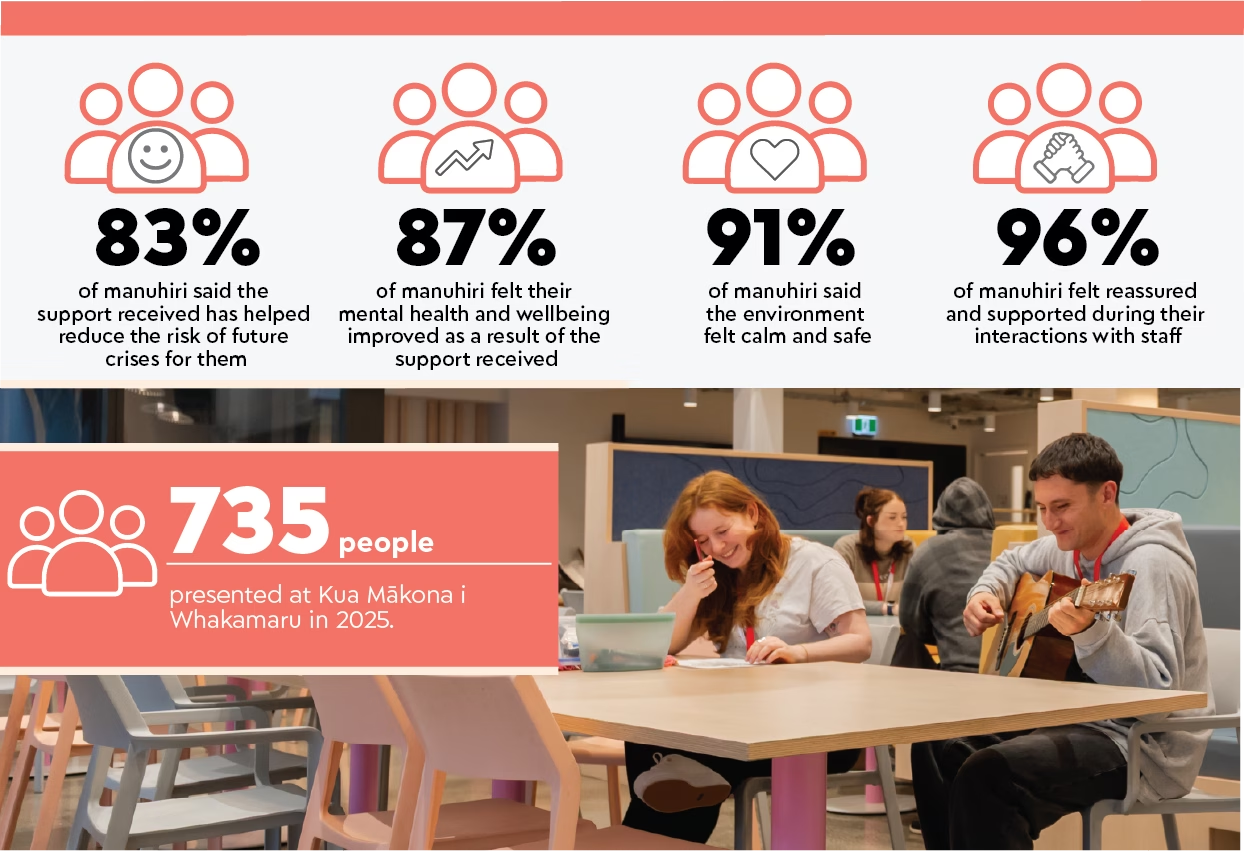
“In the year since starting this service, we’ve had people who’ve told us they wouldn’t be here without it, people who have broken the cycle of crisis, and others who have been able to get back to more positive and productive lives. It’s been inspiring to see some of our regulars now providing a level of peer support to newer manuhiri as well. This is building an environment of continual support led by community members – we’re just providing the space for it.
“At Kua Mākona i Whakamaru, and Whakamaru as a whole, this first year has been about understanding what our community needs and learning what works to create the outcomes we all want. Our focus for the coming year is multiplying this impact. Critically, the only way we’ve been able to do this, and continue to build on it, is with Mission donors’ support, and we look forward to seeing more of the fruits of this mahi this year!”